March 9, 2015
Not having enough time to read a long article? Too LongDidn�t Read (TLDR) does the job for you and provides you with a condensed summary of the main ideas of the article. We have installed the app and tried it on few articles and it appears to work perfectly.
TLDR analyzes the content of the article and creates a synopsis of it. You can also highlight text to be TLDR�ed for use with comments or on social media. We have checked user reviews in the Chrome web store and noticed several people gave it good ratings. We thought you may want to give it a try and see if it works for you. Watch the video below to learn more about Too Long Didn�t Read app.
Showing posts with label reading tools. Show all posts
Sunday, March 8, 2015
Thursday, January 8, 2015
A Beautiful Visual on Reading Tips to Use with Students
January 8, 2015
Here is a very good read shared by Edutopia on their Facebook page.�5 Tips for Helping A Student Read� is an article written by Rebecca Alber in which she shared some interesting insights on how to get your students to love reading by helping them make the best of their reading choices. Next time you want to assign a reading task to your students, keep in mind and reflect on the following:What do you know about your kids� reading interests and likes? Assess past reading experiences of your students and identify what worked and what did not work.
The visual below created by @Worldlib sums up the 5 reading tips to help students find good books. You can also read the full article with more details on each of these tips from this Link.
Source of the visual: http://goo.gl/3Dj0Lv
Here is a very good read shared by Edutopia on their Facebook page.�5 Tips for Helping A Student Read� is an article written by Rebecca Alber in which she shared some interesting insights on how to get your students to love reading by helping them make the best of their reading choices. Next time you want to assign a reading task to your students, keep in mind and reflect on the following:What do you know about your kids� reading interests and likes? Assess past reading experiences of your students and identify what worked and what did not work.
The visual below created by @Worldlib sums up the 5 reading tips to help students find good books. You can also read the full article with more details on each of these tips from this Link.
Source of the visual: http://goo.gl/3Dj0Lv
Saturday, December 27, 2014
Smart Reading Strategies Students Should Develop
December 27, 2014
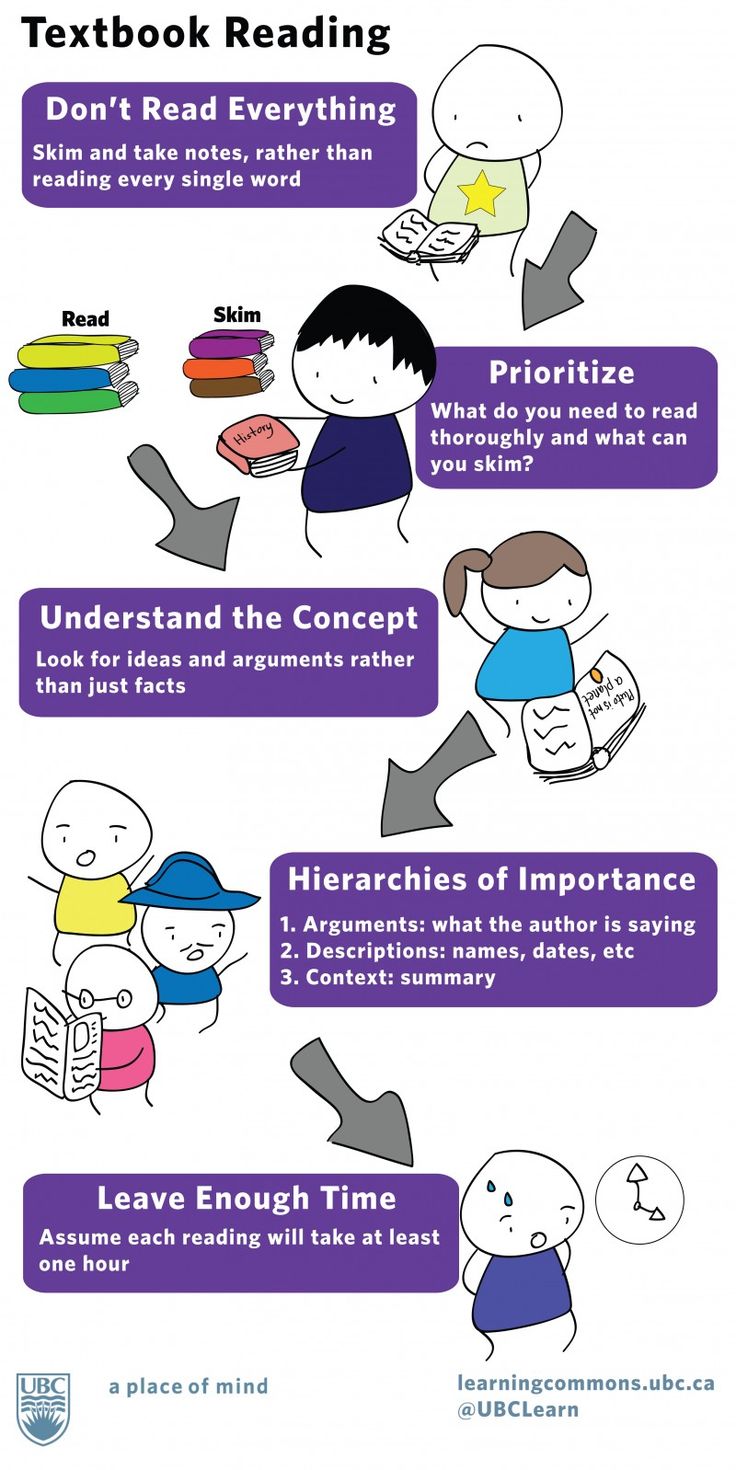
Smart reading is a skill that students develop through using a set of robust strategies in their reading and analyzing of texts. I am not talking here about critical reading or close reading (through both of these types can be part of smart reading), smart reading is about knowing what to read, when to read , and how to read it. It is a holistic kind of practice that integrates other key reading skills such as skimming and scanning. In this wonderful visual from Learning Commons are featured some useful strategies students can use to improve their reading competencies towards becoming better and smart readers. These strategies include:

Smart reading is a skill that students develop through using a set of robust strategies in their reading and analyzing of texts. I am not talking here about critical reading or close reading (through both of these types can be part of smart reading), smart reading is about knowing what to read, when to read , and how to read it. It is a holistic kind of practice that integrates other key reading skills such as skimming and scanning. In this wonderful visual from Learning Commons are featured some useful strategies students can use to improve their reading competencies towards becoming better and smart readers. These strategies include:
- Skim and take notes rather than read every single word
- Identify your reading priorities
- Dig for deeper understanding of concepts and arguments rather just prepositional knowledge
- Assign enough time for your readings.
Subscribe to:
Posts (Atom)